

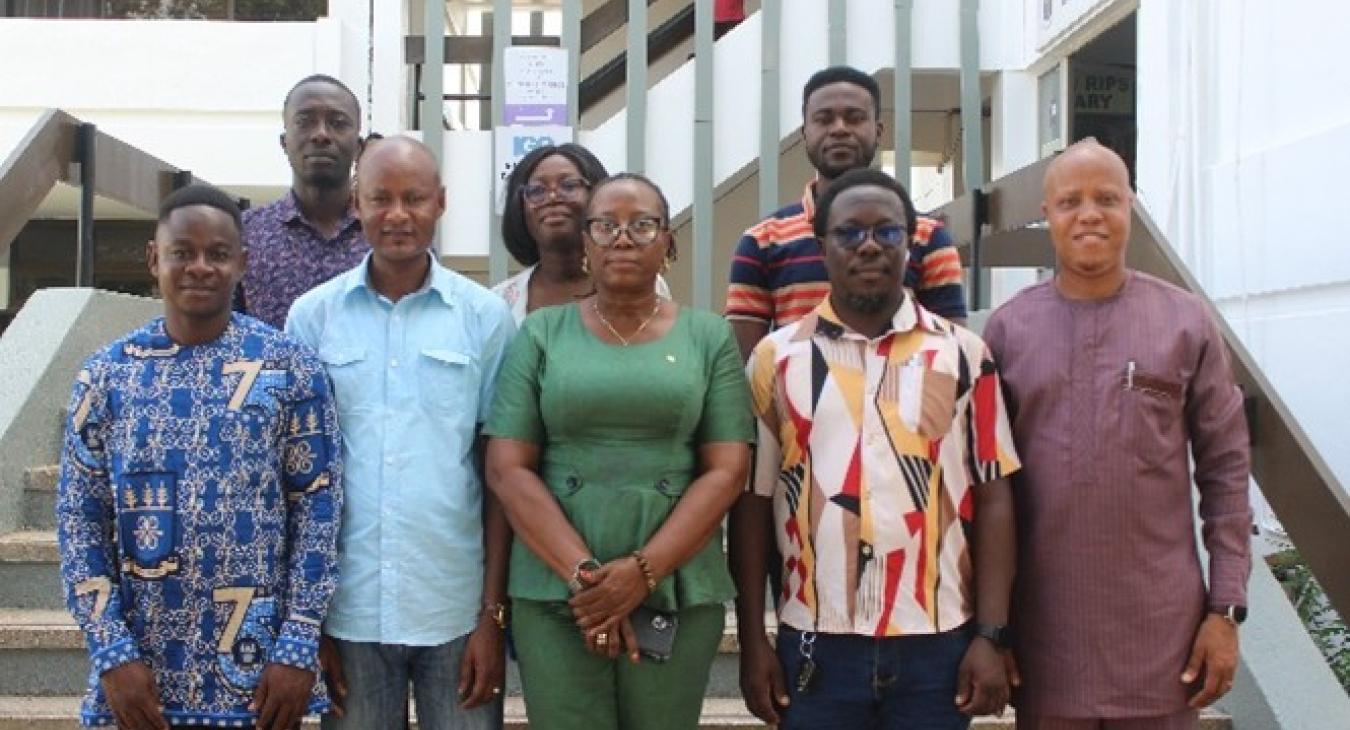
Sub-Saharan Africa continues to face persistent challenges in its health systems. However, the Regional Institute for Population Studies (RIPS) at the University of Ghana is leading the implementation of a leadership programme to change this narrative. The programme aims to build a community of health systems practitioners and researchers, as well as empower emerging leaders who will contribute to driving innovative solutions to accelerate progress toward universal health coverage in the sub-region. The leadership programme forms part of a three-year Africa Health Initiative Community of Practice (AHI CoP) project funded by the Doris Duke Foundation. In collaboration with Columbia University and partners in Mozambique and Ethiopia, this project seeks to bridge critical gaps in health systems and implementation science expertise.
Through a mentorship approach, the leadership programme will leverage the unique experiences of mentors to hone the skills of budding health systems practitioners. These seasoned mentors will offer personalised guidance to sharpen their mentees capacities in policy development and influence, research, and other identified areas. Mentees were carefully recruited and matched with experts in the AHI COP network, who guided them in aligning their individualised goals. Beyond one-on-one engagements with mentors, mentees will also have the opportunity to participate in capacity-building workshops, conferences, and networking opportunities, all of which are aimed at honing their professional skills.
The leadership programme involves a one-month orientation to align expectations and goals and eight months of mentorship. The first cohort, which started the programme in March 2025, comprised five officers from the Ghana Health Service and two graduate students. By equipping these emerging leaders with pertinent knowledge and strategic networks, the leadership programme will empower mentees to translate the insights they gain into tangible health systems improvements, thereby advancing evidence-based policy development and promoting sustainable solutions for resolving health system challenges in the sub-region.

As the first cohort progresses in their mentorship journey, it is anticipated that their experiences will not only shape their careers but also the future of health governance in Sub-Saharan Africa
- Log in to post comments